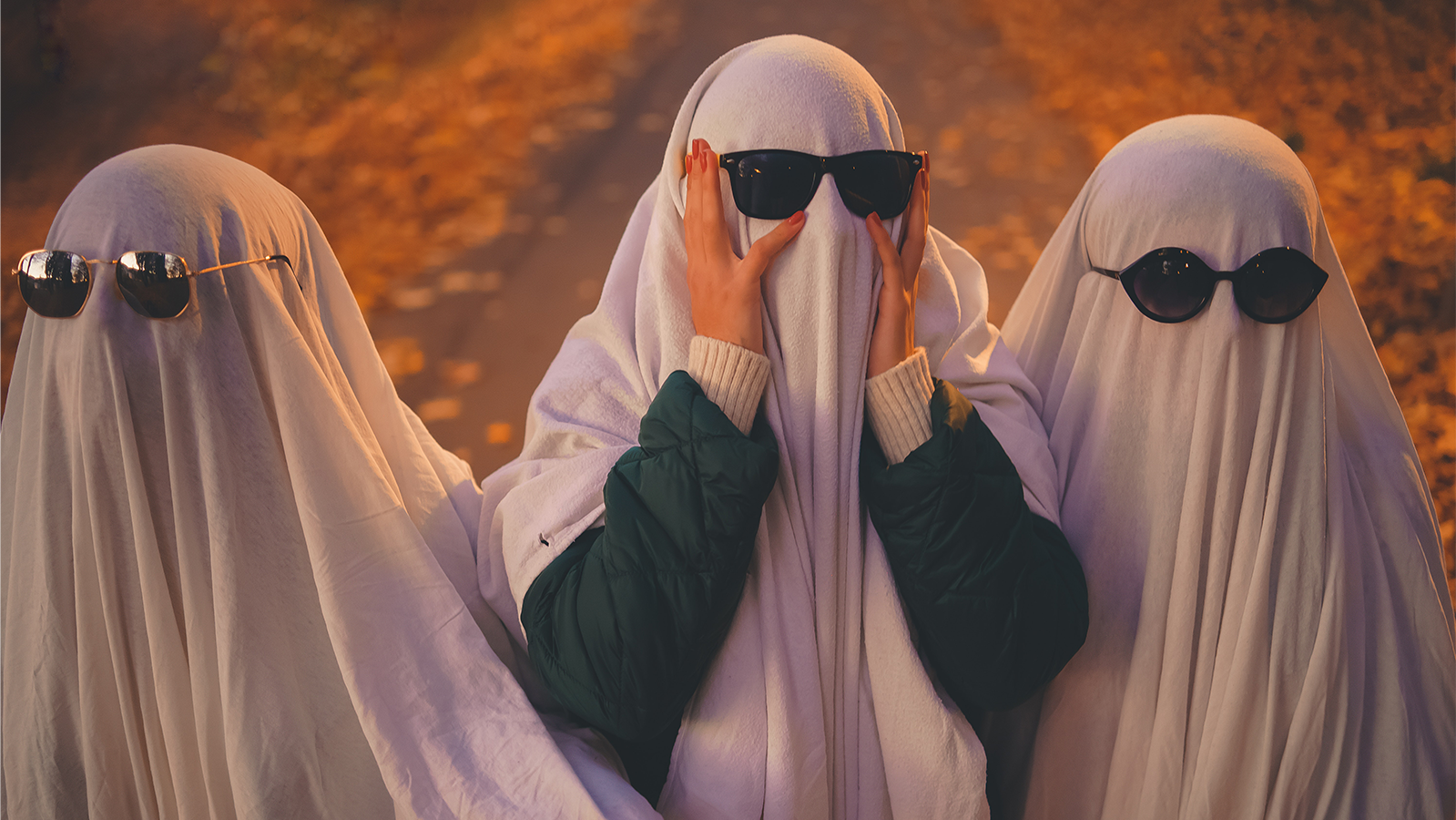
Halloween has always been an invitation to become someone—or something—else. For one night, we can trade our everyday selves for vampires, mythical creatures, pop culture icons, and characters that exist somewhere between fantasy and reality.
But with AI-generated imagery becoming increasingly accessible, a single selfie and a few descriptive words can turn an ordinary portrait into almost anything we can imagine. This Halloween, our feeds are likely to fill with picture-perfect transformations, offering a convenient shortcut to the fantastical looks we want to bring to life—or at least project online.
And perhaps that’s the unsettling part: this Halloween, the transformation might begin and end with a text prompt.
The AI Boom Has a Footprint—and the Philippines Is Part of It
The Philippines is riding the AI wave, but let’s not pretend it comes without a cost. Generative AI runs on data centers that guzzle electricity and, in some cases, water for cooling. A 2025 study found that energy use varied by up to 46 times across 17 image-generation models tested.
And with the Philippines joining Pax Silica, a US-led initiative to strengthen AI and semiconductor supply chains, the conversation around AI is only getting bigger. The tech promises opportunities, but we also need to talk about the resources keeping it running. Because is that AI-generated Halloween serve really worth the environmental cost if it’s just going to get scrolled past in five seconds?
The issue isn't that one AI-generated selfie will cause a climate crisis. It's the cycle of generating multiple versions, chasing the perfect result, posting it, and moving on to the next trend. Multiply that by millions of users, and disposable digital content becomes part of a much bigger conversation about resource consumption.
There's an irony in using real-world resources to create a digital costume we might scroll past in five seconds. Physical costumes have environmental costs, too, but they can at least be reused, repaired, borrowed, or passed down.
As AI becomes more embedded in Filipino digital culture, perhaps the question isn't whether we should use it, but whether every trend deserves another dozen generations. When creativity becomes instant and disposable, it's worth asking what we're gaining—and what we're consuming along the way.
When Fantasy Starts Looking the Same
Generative AI promises limitless creativity, yet scroll through enough AI-generated Halloween looks and you’ll start noticing the same flawless faces, cinematic lighting, elaborate costumes, and copy-paste fantasies. Different people, same aesthetic. What was supposed to make everyone more creative risks making everyone look the same.
When fantasy becomes a prompt, imagination becomes a preset.
There’s a difference between generating the image of a costume and actually bringing one to life. The messy makeup, the DIY disasters, the cardboard armor held together by tape—these are not creative failures. They’re proof that someone imagined something and made it happen.
And perhaps that’s what gets lost in the pursuit of the perfect picture: the process. The trial and error, the resourcefulness, the weird ideas that don't quite work, and the happy accidents that turn an ordinary costume into something personal. Creativity has never been just about the final product. It’s about everything it takes to get there.
The problem isn't using AI. It's when convenience replaces curiosity, and looking creative becomes more important than actually creating. When every trend can be replicated with a few lines of text, we risk confusing the ability to generate an image with the act of making something original.
Halloween has always been a chance to get weird, experiment, and become something unexpected. It doesn't need to look expensive, cinematic, or Instagram-ready to be worth doing. Sometimes, the most memorable costume isn't the most realistic one. It's the one that makes people ask, "How did you even think of that?"
In a culture increasingly obsessed with picture-perfect results, choosing to create something imperfectly can be an act of rebellion. Not everything needs to be optimized for engagement, rendered in cinematic lighting, or made to look like it belongs on someone else's Pinterest board. Sometimes, creativity means making a mess, working with what you have, and allowing your imagination to take you somewhere unexpected.
Because the point of Halloween was never just to look like something extraordinary. It was to have the freedom to become it—even if only for one night.
Beyond the Perfect Picture
Perhaps the biggest problem with AI-generated Halloween costumes is not the technology itself, but the culture that makes them so appealing.
Social media has long encouraged us to turn experiences into content. We travel to photograph destinations, attend events to capture moments, and sometimes dress for the image we want to post rather than the experience we want to have. AI simply takes this logic a step further: we no longer need to create the experience in its entirety when we can generate a convincing representation of it.
A costume can now exist without ever being worn. A fantasy can be performed without the labor of bringing it to life. And creativity can be measured by how impressive an image looks on a screen rather than by the imagination, experimentation, or meaning behind it.
None of this means we should romanticize every difficult or time-consuming creative process. Tools have always shaped art, and new technologies can expand access to forms of expression that were previously out of reach. The camera did not end painting, and digital editing did not make photography meaningless.
But technological progress should not require us to abandon the parts of creativity that make it human. And perhaps the most radical thing we can do in a culture increasingly obsessed with artificial perfection is to make something strange, imperfect, personal, and entirely our own.
This Halloween, before typing another prompt, consider what it might mean to make the fantasy yourself.
Written By Joshua Sazon
Join the community of Young, Empowered, and Creative! Like, Follow, Subscribe to metroscenemag.com and our socials Facebook, X, and Instagram.